What Are Full Body Tiles? Features, Benefits & Types
Choosing the right floor tiles for your home or office can be confusing. You want something that looks good and...
Read More →

SHARE THIS


Imagine walking across your living room and suddenly hearing a loud cracking sound. A moment later, you notice that a few floor tiles have lifted or become loose. This not only affects the appearance of your floor, but it can also create a safety risk. Floor tiles popping up is a common problem in homes and commercial spaces. It can happen months after installation or even several years later.
But why does it happen? Is it because of poor quality tiles? Does the weather play a role? Or could the problem be related to the way the tiles were installed?
Understanding why floor tiles popping up occurs is important if you want to protect your flooring and avoid expensive repairs.
Floor tile popping happens when one or more tiles become loose and start lifting from the floor. This usually happens when the tiles lose their grip on the adhesive or mortar below them. Sometimes, pressure builds underneath the tiles and pushes them upwards.
You may notice a hollow sound when you tap the tiles with your fingers. In some cases, cracks may appear in the grout lines. You might also see that some tiles are slightly raised compared to the ones next to them.
In some situations, multiple tiles suddenly lift together with a loud popping sound. This is commonly known as tile tenting. It happens when expanding tiles have nowhere to move and start pushing against each other.
Ignoring these early signs can lead to further damage. Therefore, it is important to identify the cause before replacing the affected tiles.
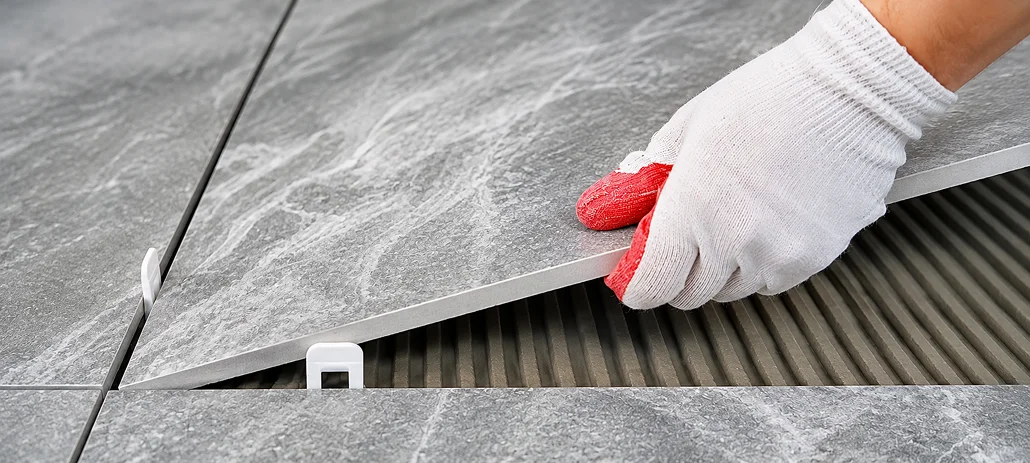
Poor installation is one of the leading reasons behind floor tile popping. Even high-quality tiles can become loose if they are not installed correctly.
For example, if the installer does not apply enough tile adhesive or mortar, the tiles may not bond properly with the surface. Air pockets can also remain underneath the tiles. These empty spaces weaken the support and increase the chances of cracking or lifting.
Using the wrong adhesive for a particular tile or surface can create similar problems.
How to prevent it: Always hire experienced tile installers. Make sure they use suitable adhesives and follow the manufacturer’s installation guidelines. Proper coverage beneath each tile is essential for long-lasting results.
Did you know that tiles can expand and contract with temperature changes?
Floor tiles are exposed to different temperatures throughout the year. During hot weather, they expand slightly. When temperatures drop, they contract.
This movement is natural. However, problems arise when tiles do not have enough space to expand.
If expansion gaps are missing around the edges of the floor or at necessary movement joints, the tiles may push against each other. This creates pressure that can cause them to lift from the surface.
This is particularly common in areas exposed to direct sunlight or significant temperature fluctuations.
How to prevent it: Provide suitable expansion and movement joints during installation. These joints allow the flooring to accommodate natural movement without putting excessive pressure on the tiles.
For balconies, patios and other exposed spaces, compare rough floor tiles when a more textured surface is preferred
Water leakage is one of those things that may not seem like a big problem at first, but it can cause trouble for your flooring over time. Sometimes, water gets under the tiles because of a leaking pipe, poor waterproofing or small gaps in the floor. Slowly, the adhesive starts getting weak and the tiles may no longer stick properly.
You might have seen this happen in bathrooms. Water spills on the floor every day, and if the waterproofing isn’t done properly, some of it can get underneath the tiles. After some time, you may notice a tile moving slightly when you step on it. In some cases, it may even sound hollow when you tap it. A damp smell around the floor can also be a sign that something is wrong.
How to prevent it: Don’t take waterproofing lightly, especially when getting tiles installed in bathrooms, kitchens or balconies. Check for pipe leaks once in a while and get them repaired without delay. Also, try to clean up standing water instead of letting it sit on the floor.
A strong tile installation begins with a properly prepared surface.
If the floor is dusty, uneven, oily or covered with loose material, the adhesive may not bond properly. Even if the tiles look perfectly installed initially, they may start separating after regular use.
Imagine installing tiles over a concrete surface that still has construction dust. The adhesive may stick to the dust instead of bonding directly with the concrete. This creates a weak connection.
How to prevent it: Clean and level the floor before installation. Remove dust, grease and loose particles. Allow the base surface to dry properly before applying adhesive.
Not every adhesive is suitable for every type of tile.
Different tiles have different absorption rates, sizes and weights. Large-format tiles and low-porosity porcelain tiles may require specific adhesives to achieve a strong bond.
Using ordinary cement mortar where a suitable polymer-modified adhesive is required can affect the installation quality.
The problem may not become visible immediately. However, repeated movement and daily use can gradually weaken the bond.
How to prevent it: Select an adhesive according to the tile material, size and installation area. Follow the manufacturer’s recommendations and avoid using leftover or unsuitable materials.
This is especially important when installing vitrified tiles, as their dense, low-absorption body may require an adhesive suitable for the specific tile size and application.
Floor tiles need a stable base to remain in place. If the underlying floor moves or develops cracks, the tiles above it may also become damaged.
Heavy furniture, machinery and constant foot traffic can increase stress on certain areas. However, structural movement or deflection in the floor can be a more serious concern.
For example, if a concrete slab develops cracks due to settlement, the flooring may crack or lose its bond.
How to prevent it: Ensure the base structure is stable before installation. Use suitable movement joints and address structural cracks before laying new tiles. Avoid placing extremely heavy loads on flooring that is not designed to support them.
For areas exposed to regular foot traffic, you can also compare full body tiles designed for residential and commercial flooring applications.
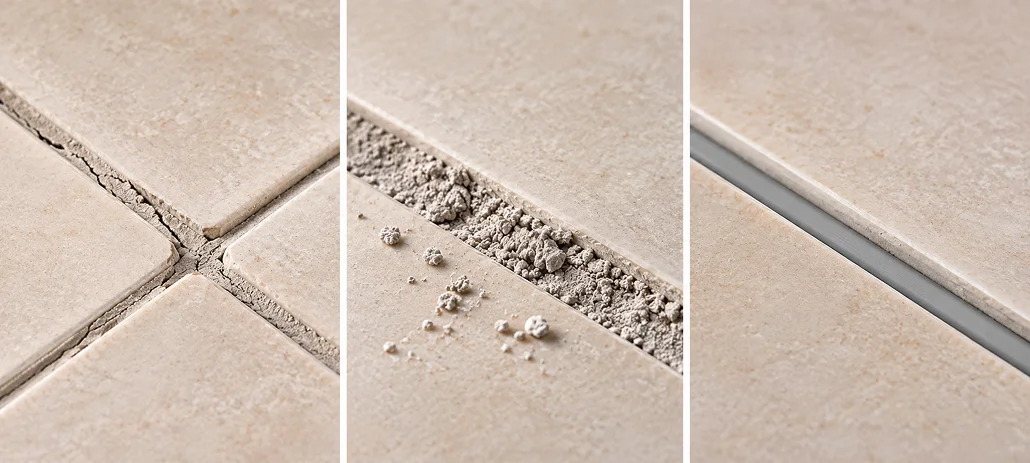
Grout does more than improve the appearance of tiled flooring. It also fills the spaces between tiles and helps protect the joints.
However, grout is not a substitute for expansion joints. If movement joints are missing or improperly placed, pressure can build up across the tiled surface.
Poor-quality grout can also crack or deteriorate. This may allow moisture to enter the flooring and contribute to further damage.
How to prevent it: Use suitable grout and maintain proper joint spacing. Provide movement joints wherever required by the installation design. Avoid filling movement joints with rigid grout.
Now that you understand the common causes, let’s look at a few practical ways to keep your flooring in good condition.
| Prevention tip | Why it matters |
|---|---|
| Choose quality tiles | Provides better durability and consistent performance |
| Prepare the floor properly | Creates a stable base for installation |
| Use suitable tile adhesive | Helps maintain a strong bond |
| Provide expansion joints | Allows natural tile movement |
| Waterproof wet areas | Prevents moisture-related damage |
| Hire skilled installers | Reduces installation mistakes |
| Maintain grout joints | Helps protect the flooring system |
If you are planning new flooring, explore different flooring and surface tiles based on room usage, traffic, moisture exposure and maintenance requirements.
Choosing tiles is not just about how they look. You also need to think about how long they will last. Before buying, consider where you want to use them, how much foot traffic the area gets and if it is exposed to water or moisture.
For example, porcelain tiles are a good choice for many homes and offices. They are strong and don’t absorb much water. Ceramic tiles can also be used in different indoor spaces.
So, don’t pick tiles only because you like their design. Check their quality and features first. This will help you choose tiles that are right for your space and daily use.
Rushing the installation process can create unnecessary problems.
Tile adhesive needs sufficient time to set and develop its bond. Walking over newly installed tiles or placing heavy furniture too early can disturb their position.
Follow the adhesive manufacturer’s recommended setting time before allowing regular use of the floor.
Small warning signs can help you identify problems before they become serious.
Pay attention to hollow sounds, cracked grout, loose edges and visible tile movement. If you notice several tiles becoming loose, get the floor inspected by a professional.
Avoid repeatedly pressing or hitting loose tiles. This can cause further damage.
If your floor tiles have started coming out, don’t try to push them back or cover them with another material. This will only hide the problem for some time.
First, find out what caused the tiles to lift. It could be water seepage, poor adhesive, missing expansion joints or cracks in the floor.
It is better to get a professional to check the damaged area. They may need to remove the loose tiles and clean the old adhesive from underneath. The floor should be prepared properly before fixing the tiles again.
If the tiles are not damaged, they can be used again after proper cleaning. But if they are cracked or broken, it is better to replace them.
If many tiles are coming out together, don’t ignore it. Get the whole area checked instead of fixing just one tile. Otherwise, the same problem may happen again after some time.
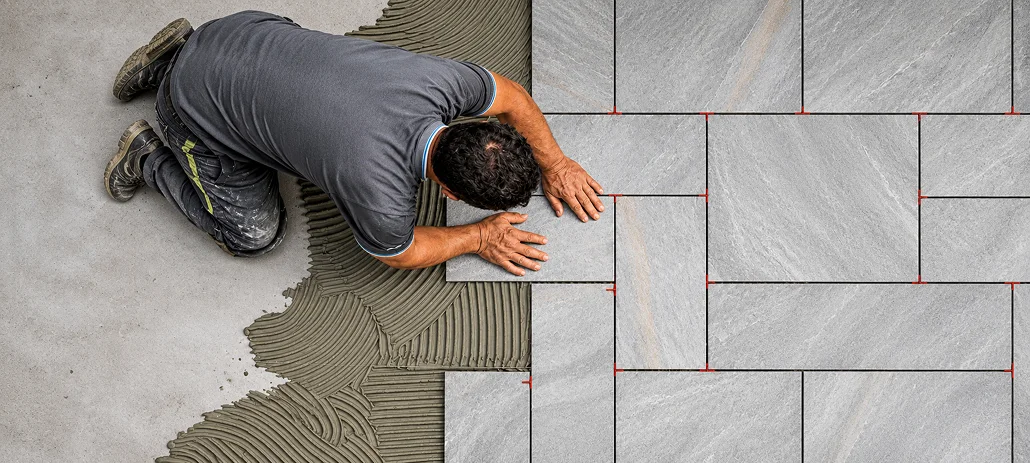
Good flooring is a long-term investment. You want tiles that look attractive and perform well under everyday conditions.
However, even the best tiles need proper installation to deliver lasting results. The quality of the tile, adhesive, surface preparation and workmanship all contribute to the final outcome.
This is why choosing a reliable tile brand and working with experienced installers is important. A little attention during the selection and installation stages can help prevent unnecessary repairs later.
Floor tiles popping up can be really frustrating, especially when you have recently installed them or spent a lot on good quality tiles. There can be several reasons behind this, like poor installation, water seepage, too much heat, wrong adhesive or missing expansion joints.
But the good thing is that you can avoid many of these problems with a little care. Always choose good quality tiles and adhesive. Also, make sure the floor is properly prepared before the tiles are installed. Getting the work done by an experienced installer is equally important. Keep checking your floor once in a while. If you notice any loose tiles, cracks or damaged grout, get them checked before things get worse.
Planning to renovate your home or thinking of getting new flooring? Still deciding which flooring material to use for a renovation? Our tile vs granite flooring comparison can help you compare the two based on cost, maintenance and room usage. Take a look at the tile collection at Chhabria Tiles. Find beautiful and durable tiles that go well with your space and daily needs. Visit Chhabria Tiles today and choose the right flooring for your home or commercial space!