If you walk into any home, one of the first things you notice is the flooring. It influences the overall appearance of a space, affects maintenance efforts, and even impacts long-term property value.
When homeowners begin planning a renovation or a new build, one question often comes up: tile vs granite, which option offers the better investment?
Both materials are popular for modern and traditional homes. They deliver durability, elegance, and functionality. However, the right choice depends on your lifestyle, budget, maintenance expectations, and design preferences.
Understanding the strengths and limitations of each flooring material can help you make a confident decision.
Understanding Tile Flooring
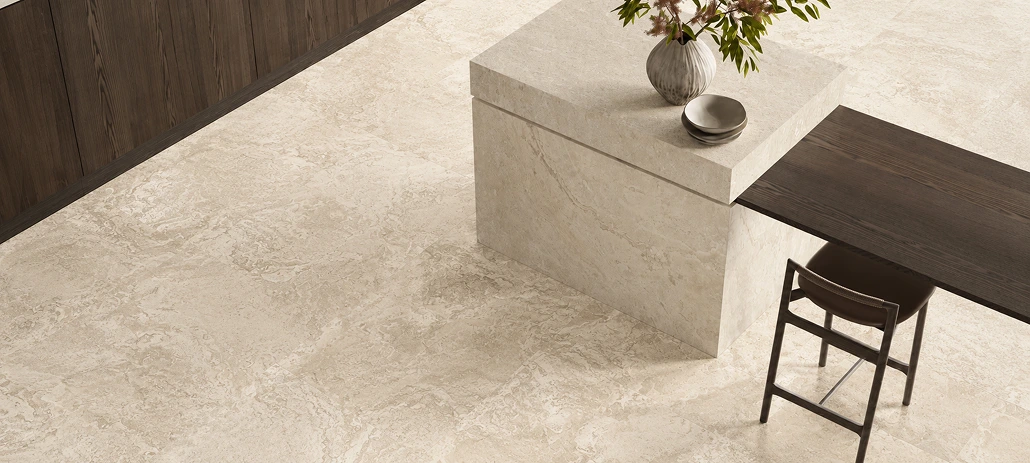
Tiles are manufactured using ceramic, vitrified, porcelain, or other materials and are available in countless designs, colors, finishes, and sizes. Modern manufacturing techniques have made tiles remarkably realistic, allowing them to mimic wood, marble, concrete, and even natural stone. Modern manufacturing techniques have made tiles remarkably realistic, allowing them to mimic wood, marble, concrete, and even natural stone. If you’re unsure which category suits your project, our guide on types of tiles explained breaks down every material and its ideal use case.
One of the biggest advantages of tile flooring is versatility. Whether you want a sleek contemporary look or a timeless classic design, there is a tile that fits your vision.
Tiles also perform exceptionally well in moisture-prone areas such as kitchens, bathrooms, balconies, and utility spaces. Their non-porous surface makes cleaning easier and reduces the chances of staining.
Why Many Homeowners Prefer Tiles
- Wide range of colors and patterns
- Easy maintenance and cleaning
- Affordable installation costs
- Water-resistant and stain-resistant properties
- Available in multiple finishes for different applications
For example, a family with young children may prefer large-format vitrified tiles because they are easy to clean after spills, muddy footprints, or everyday messes.
Understanding Granite Flooring
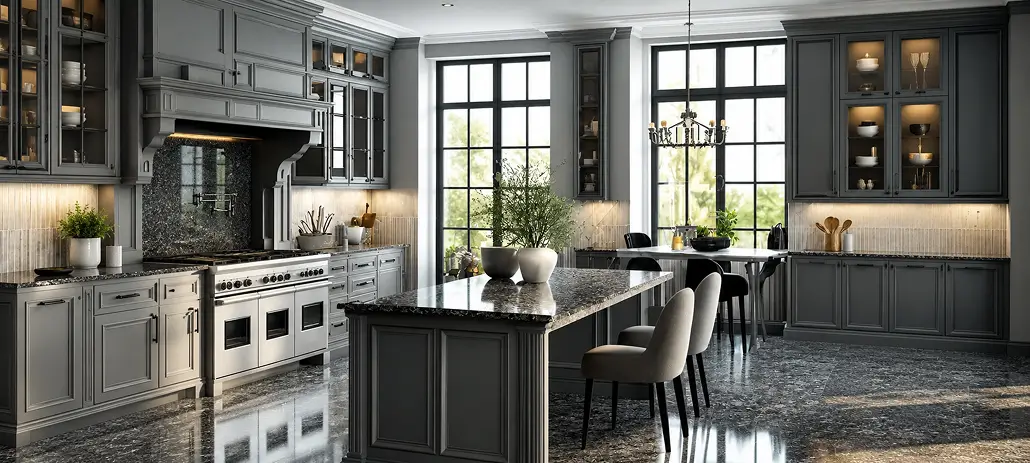
Granite is a natural stone formed deep within the earth under intense pressure and heat. Every slab features unique mineral patterns, making each installation one of a kind.
Granite flooring is often associated with luxury and prestige. Its natural appearance creates an elegant and sophisticated atmosphere that many homeowners admire.
Because granite is an extremely hard stone, it can withstand heavy foot traffic and maintain its appearance for decades when properly maintained.
Benefits of Granite Flooring
- Natural beauty with unique patterns
- Exceptional durability
- High resistance to wear and scratches
- Long lifespan
- Premium appearance that enhances property value
For instance, a large villa entrance or grand living room can benefit from polished granite flooring, creating an impressive visual impact.
Tile vs Granite: Comparing Durability
Durability is often a deciding factor when selecting flooring. Granite is naturally one of the hardest stones available for residential use. It handles heavy furniture, constant foot traffic, and everyday wear remarkably well. Properly maintained granite floors can last for several decades.
Tiles, especially premium vitrified and porcelain varieties, are also highly durable. Many modern tiles are engineered to resist scratches, stains, and impact damage.
According to industry estimates, high-quality porcelain tiles can have a lifespan exceeding 50 years under normal residential conditions. Similarly, well-maintained granite flooring can remain functional for more than 80 years in many homes.
When comparing tile vs granite, both materials offer excellent durability, but granite has a slight edge in longevity due to its natural hardness.
Maintenance: Which Option Is Easier?
Maintenance requirements significantly influence long-term satisfaction. Tiles are generally easier to maintain.
Regular sweeping and occasional mopping are usually sufficient to keep them looking fresh. Most tiles do not require sealing and are resistant to common household stains.
Granite, on the other hand, requires periodic sealing to protect against moisture penetration and staining. Without proper sealing, certain liquids can seep into the stone and leave permanent marks.
For busy households where convenience matters, tile flooring often provides a more practical solution.
Design Flexibility and Aesthetics
This is where tiles truly stand out. Modern tile collections offer extraordinary design possibilities. Homeowners can choose from matte, glossy, textured, stone-look, wood-look, and marble-look finishes.
Granite offers unmatched natural beauty, but its color and pattern choices are limited by nature. While each slab is unique, customization options are fewer compared to tiles.
A recent global interior design survey found that nearly 65% of homeowners prefer flooring materials that offer a wide variety of design choices when renovating living spaces. This growing demand has contributed to the rising popularity of premium tile collections.
When evaluating tile vs. granite, tile offers greater creative freedom for modern interior design projects.
Cost Comparison
Budget plays a major role in flooring decisions. Tile flooring generally costs less than granite when considering material, transportation, installation, and maintenance expenses.
Granite involves quarrying, cutting, polishing, and professional installation, which increases overall project costs. Additional maintenance requirements may also add to long-term expenses.
For example:
- A medium-sized apartment renovation may remain within budget using premium vitrified tiles.
- The same area finished with granite may require a significantly larger investment.
Homeowners seeking a balance between appearance and affordability often find tiles to be the smarter financial choice.
Performance in Different Areas of the Home
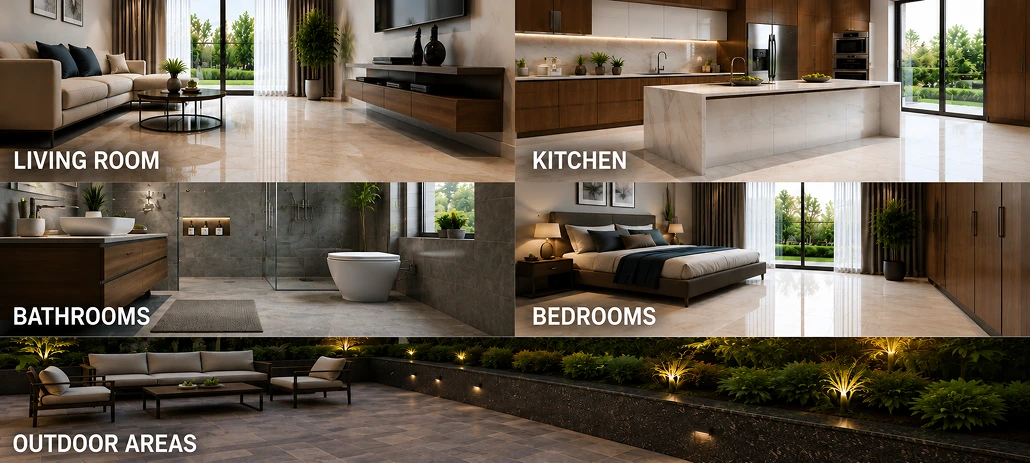
Different rooms have different requirements.
Living Rooms
Vitrified tiles are ceramic’s metamorphosed cousin. Through a process of vitrification—essentially fusing silica, clay, and feldspar at extreme temperatures—they emerge with a glass-like, near-impervious body. Water absorption falls below 0.5 percent. Available in glazed (GVT) and polished (PGVT) variants, vitrified tiles dominate contemporary Indian bathrooms for good reason: low maintenance, robust dimensional stability, and a panoply of finishes mimicking marble, wood, and concrete.
Kitchens
Tiles generally perform better because they resist stains and are easier to clean after cooking spills.
Bathrooms
Bedrooms
Tiles create a clean and comfortable environment while offering countless design options.
Outdoor Areas
Textured outdoor tiles and certain granite finishes can both perform effectively when selected appropriately.
The choice between tile vs granite often depends on where the flooring will be installed and how the space will be used daily.
Environmental Considerations
Many homeowners today consider sustainability when choosing building materials. Modern tile manufacturers increasingly use energy-efficient production processes and recycled content. Additionally, tiles generate less waste during installation due to standardized sizing.
Granite is a natural resource, but quarrying and transportation can involve significant environmental impacts depending on sourcing methods.
Choosing high-quality products from responsible manufacturers helps reduce environmental concerns regardless of material selection.
So, Which Flooring Is the Smarter Choice?
The answer depends on your priorities. If you want a natural stone appearance, exceptional longevity, and premium luxury, granite remains a strong option.
However, if you value design flexibility, lower maintenance, affordability, and modern performance, tiles often emerge as the more practical choice for today’s homes.
In the ongoing tile vs granite debate, tiles provide a compelling combination of beauty, functionality, and value. For many homeowners, they deliver the best balance between aesthetics and everyday convenience.
Conclusion
Choosing between tile vs granite is ultimately about matching your flooring to your lifestyle, design preferences, and budget. Granite offers timeless natural beauty and impressive durability, while tiles provide unmatched versatility, easier maintenance, and cost-effective performance.
If you are looking for premium-quality tiles that combine style, durability, and modern design trends, visit Chabbria Tiles. Explore an extensive collection of flooring solutions designed for every room and every aesthetic preference. Whether you are renovating your existing home or building a new one, our team can help you find the perfect flooring option.
Visit the Chabbria Tiles showroom in Bangalore and experience the latest tile collections firsthand. Transform your home with flooring that delivers lasting beauty and value.