Sanitaryware Items List for a Modern Bathroom
A bathroom can look beautiful in pictures but still feel uncomfortable when you use it every day. A toilet that...
Read More →

SHARE THIS


The bathroom is the unsung protagonist of any Indian home. It absorbs daily wear, witnesses the harshest moisture cycles, and quietly determines how your morning unfolds. Tiles are its skin. Pick well, and the room ages with grace. Pick carelessly, and you inherit decades of grout discolouration, fractured corners, and the slow creep of efflorescence behind every soap dish.
Knowing how to choose tiles for bathroom spaces in India is not merely an aesthetic exercise. It is a balancing act between durability, hygiene, climate-resilience, budget, and personal taste. The question of how to choose tiles for a bathroom turns on far more than colour swatches -technical specifications, regional climate, water chemistry, and installation quality all play decisive roles. This guide unpacks every variable a homeowner must weigh before walking into a Morbi-stocked showroom or scrolling through an online catalogue at midnight.
Most Indian municipalities supply water laden with calcium and magnesium salts. This mineral residue, deposited daily on tile surfaces, manifests as chalky white blooms that mar even premium finishes. Tiles with smoother, vitrified bodies and lower porosity resist these encrustations far better than rustic ceramic counterparts. If you have not yet tested your home’s water hardness, do so before finalising any finish – it changes the calculus entirely.
Modern Indian bathrooms increasingly adopt the wet-and-dry-zone philosophy. The shower or bathtub area constitutes the wet zone; the vanity, water closet, and circulation space form the dry zone. These zones have divergent tile requirements. Conflating them—using the same tile everywhere—is convenient but rarely optimal.
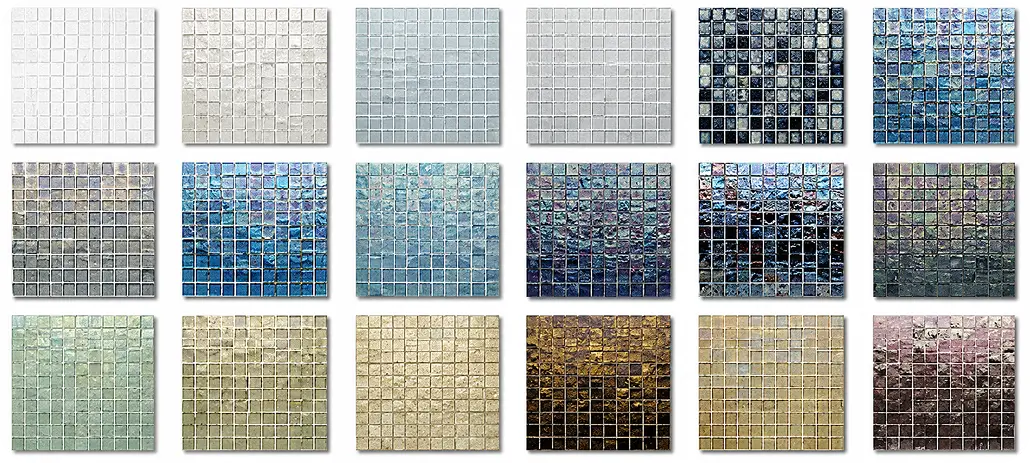
Glass mosaics, typically deployed as accent strips or feature walls, introduce luminescence and depth. They are non-porous, resistant to chemical cleaners, and visually transformative. Their brittleness and laborious installation, however, render them unsuitable for entire floors. Use them as punctuation, not prose.
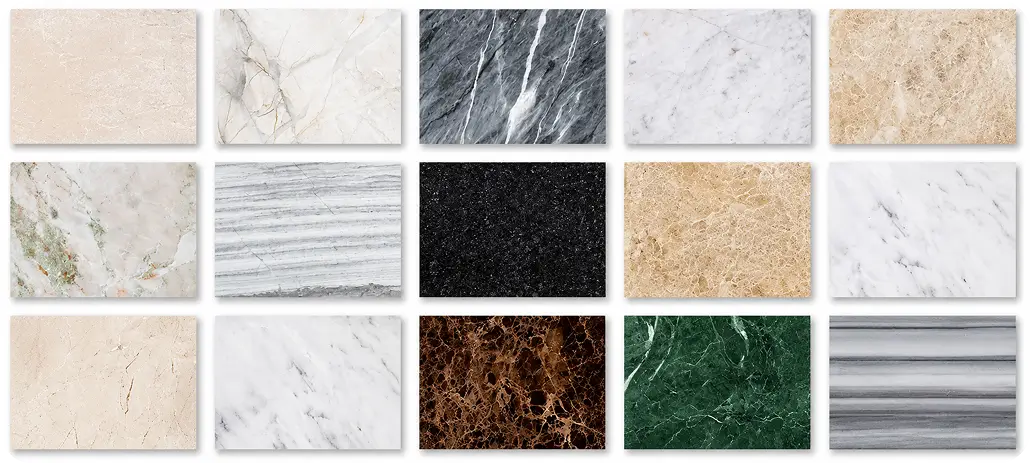
Stone-effect, sand-finish, and lapatto tiles introduce tactile interest while improving grip. They are particularly valuable in homes with senior residents. The slight trade-off—marginally more effort to clean—is a worthy concession for slip resilience.
Moroccan-inspired encaustic patterns, terrazzo composites, and bold geometric motifs have entered the Indian mainstream. Used judiciously—on a single feature wall or as a vanity backsplash—they inject personality without descending into kitsch.
For homeowners who observe Vastu Shastra, bathroom tile selection extends beyond aesthetics. Light shades—particularly whites, creams, and pale blues—are traditionally favoured for their associations with purity and tranquility. Deep reds and stark blacks are sometimes avoided in bathrooms placed in the northeast or southwest sectors. Whether one subscribes to these principles or not, they are worth acknowledging when selecting tiles in households where multiple generations share decisions.
Buyers routinely err in predictable ways. They prioritise appearance over slip-resistance and regret it after the first slip. They underorder tiles and find themselves marooned mid-installation. They trust unverified labour to lay premium tiles, only to witness lippage and cracking within weeks. They mix incompatible tile types across zones, undermining the room’s coherence. And they often skip waterproofing membranes—the silent guardian beneath every well-built bathroom.
A well-chosen bathroom tile is invisible in the best sense – it does its job so quietly and so persistently that you forget it is there, year after year. When deliberating tiles for bathroom installations in Indian homes, recognise that the choice intersects with a particular constellation of challenges: hard water, monsoon humidity, mineral-laden air, multi-generational use. Tiles that thrive here are not the trendiest on Instagram but the ones engineered for these realities.
Choose with patience. Insist on specifications. Visit showrooms in daylight. Question your installer about substrate preparation and waterproofing. Knowing how to choose tiles for bathroom spaces well today means decades of quiet, reliable beauty tomorrow – the bathroom you build now will witness thousands of mornings, so make sure its skin is worthy of them.
Explore our wide collection of premium bathroom tiles crafted to withstand Indian conditions while delivering timeless style, durability, and everyday practicality. Need help choosing tiles? Book a free consultation.
Anti-skid matte vitrified tiles with water absorption below 0.5% and an R10 or R11 slip rating are the top pick for most Indian bathrooms. They handle humidity, resist hard-water stains, and stay safe underfoot when wet. Porcelain is the premium step-up if your budget allows.
For bathrooms under 50 sq ft, stick to 300×600mm tiles on walls and 300×300mm on floors. Matching the grout colour closely to the tile helps the space feel larger. Very large tiles in compact bathrooms create excessive cuts and throw off the proportions.
Total costs depend on tile grade, materials (adhesive, grout, waterproofing), and labour rates in your city. Premium imported or designer porcelain tiles can push the budget significantly higher than standard options.
Choose floor tiles rated R10 or higher, favour matte finishes in wet areas, and ensure the floor slopes correctly toward the drain. Anti-slip mats and grab bars add a useful second layer of safety, especially in homes with elderly or young occupants.
On glazed surfaces, diluted white vinegar or a commercial limescale remover applied with a soft cloth works well — rinse promptly. Avoid abrasive scrubbing on glossy tiles as it dulls the finish permanently. For natural stone, use only pH-neutral stone cleaners; acids will damage the surface.