A sink is a deep, larger fixture designed for tasks like washing dishes and is typically installed in kitchens. A basin is a shallow, smaller fixture designed for hand and face washing, typically installed in bathrooms. The difference lies in depth, drainage size, and intended use.
Few household terms generate as much quiet bewilderment as “sink” and “basin”. Walk into any sanitaryware showroom and you will hear the words used interchangeably, sometimes in the same sentence, often by the same salesperson. Catalogues compound the muddle. So do online listings, where a single product may be tagged both ways simply to capture more searches.
The truth is that the difference between sink and basin is real, even if it is routinely glossed over. They are not synonyms. They are cousins—related, overlapping, occasionally indistinguishable, but never identical. The sink vs basin question is not just semantic hair-splitting; untangling the distinction matters because it influences what you buy, where you install it, how you plumb it, and how it performs over years of daily use.
Defining the Terms with Precision
What is a Sink
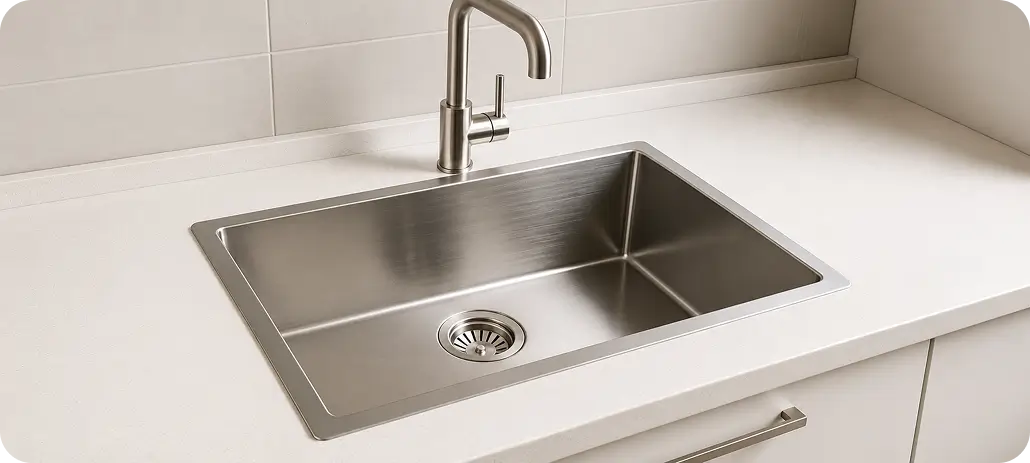
A sink, in its strictest sense, is a fixed receptacle plumbed for water supply and drainage, typically larger and deeper than a basin, designed for washing operations that involve volume—dishes, vegetables, utensils, garments, paint brushes. Sinks are workhorses. They are engineered to handle continuous flow, occasional impact, food residue, and chemical exposure. The defining traits are depth, capacity, and utilitarian rigour.
What is a Basin
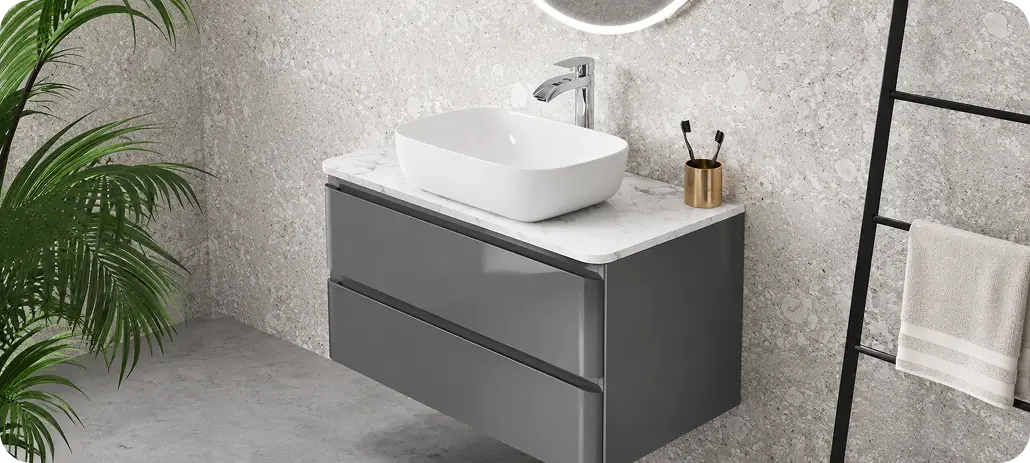
A basin, by contrast, is a shallower vessel intended for personal hygiene—washing hands, splashing the face, brushing teeth. It is more concerned with form than capacity. A basin’s volume is incidental; what matters is comfortable reach, splash containment, and visual harmony with surrounding fixtures. In residential parlance, “wash basin” almost always denotes the bathroom fixture mounted above or set into a vanity counter.
Functional Distinctions
The Sink's Working Brief
A sink is built for labour. Its bowl must accommodate stockpots, baking sheets, oily pans, and stained linen. Its faucet usually features a tall gooseneck or pull-out sprayer. Its drainage handles particulate matter-rice grains, vegetable peelings, coffee grounds and often incorporates a strainer or disposal unit. Sinks are sized in inches or millimetres of bowl depth precisely because depth determines functionality.
The Basin's Domestic Role
A basin is built for rituals of self-care. It needs only enough water to cup the hands, lather, and rinse. The depth is modest; the lip is often contoured for ergonomic ease; the faucet sits low and elegant. A basin’s success is measured less in litres handled than in how gracefully it integrates with the bathroom’s atmosphere – the mirror above it, the lighting beside it, the towel rail nearby.
The Most Persistent Misconceptions
"Sink and Basin Mean the Same Thing"
This conflation is the most widespread, and it sits at the heart of every sink and basin difference debate. It is partly accurate – both are plumbed receptacles and partly misleading, because the terms imply different scales, locations, and use patterns. Calling a kitchen sink a “basin” sounds quaint to most ears, while calling a bathroom basin a “sink” sounds American. Neither is wrong, but neither is precise either.
"Basins Belong Only in Bathrooms"
While the bathroom is the basin’s natural habitat, decorative basins now appear in powder rooms, dressing areas, hospitality spaces, and even outdoor garden corners. Vessel basins set atop reclaimed-wood consoles have migrated into entryways and home spas. The basin is no longer confined to one room; it has become a design vocabulary.
"Sinks Belong Only in Kitchens"
Equally untrue. Utility sinks live in laundry rooms, garages, art studios, mudrooms, and pet-washing stations. The defining trait of a sink is its working capacity, not its location. A deep stainless basin in a potter’s workshop is unambiguously a sink, regardless of address.
Material Vocabulary
Stainless Steel
Stainless steel is the dominant material for kitchen sinks. Grades 304 and 316 dominate the residential market, valued for corrosion resistance, dent tolerance, and ease of cleaning. Gauge thickness matters – lower gauge numbers indicate thicker, quieter, more durable steel. Stainless basins exist but are uncommon in residential bathrooms, where they read as industrial.
Vitreous China and Ceramic
Vitreous china – a high-fired ceramic with a fused glassy surface – is the de facto material for bathroom taps and fittings. It is non-porous, hygienic, and finishes to a brilliant gloss. Ceramic basins resist staining and household chemicals well but are vulnerable to chipping under sharp impact. Kitchen ceramic sinks (the “fireclay farmhouse” variety) exist in premium segments but remain niche compared to stainless steel.
Stone, Composite, and Glass
Quartz composites, granite composites, and engineered stone have surged in both categories – offering the heft and visual richness of stone with greater fracture resistance. Tempered glass basins introduce visual lightness and modernity, though they demand vigilant cleaning to remain presentable. Carved stone basins – travertine, marble, soapstone – occupy the luxury end, prized for material singularity but requiring sealing and gentle care.
Installation Typologies
Drop-In and Top-Mount
The fixture’s rim rests on the countertop, with the bowl suspended below. Installation is straightforward and forgiving of slight cabinet imperfections. The visible rim, however, traps debris along the seal – a minor maintenance nuisance. Both sinks and basins are widely available in this format.
Undermount
The fixture mounts beneath the countertop, with the counter material itself forming the visible perimeter. The result is a seamless, contemporary appearance that simplifies wiping debris directly into the bowl. Undermount installation requires a substantial countertop – stone, quartz, or solid surface – since laminate cannot reliably support the load.
Wall-Hung
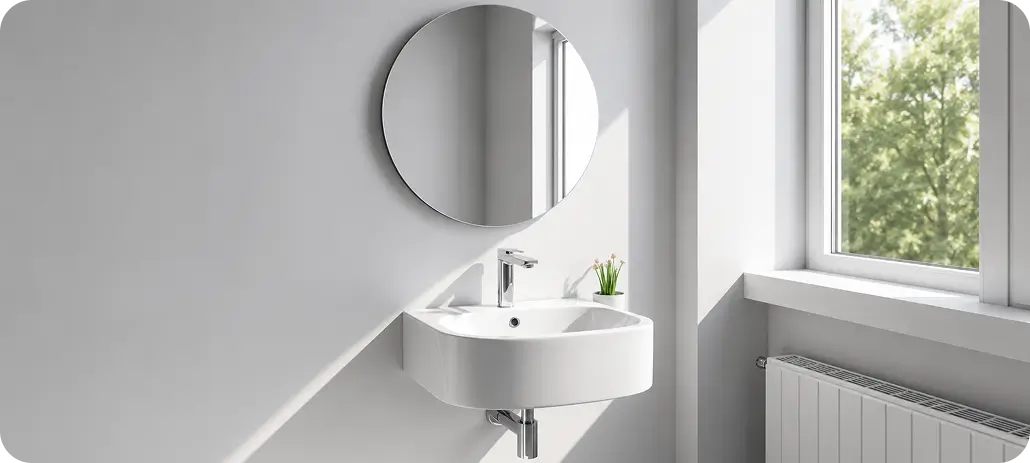
Predominantly a basin format, wall-hung fixtures cantilever from the wall on concealed brackets, leaving the floor visually unobstructed. The look is modernist and space-efficient, ideal for small bathrooms. Structural reinforcement within the wall is mandatory; gypsum board alone will not hold the fixture under load.
Pedestal
The pedestal basin pairs a wall-mounted bowl with a floor-standing column that conceals the plumbing. Once ubiquitous in mid-twentieth-century homes, pedestal basins have receded but never disappeared, particularly in classical and traditional bathroom schemes. They offer no countertop space, which limits practicality.
Vessel or Countertop
The vessel basin sits atop the counter like a bowl on a table. It celebrates the basin as object. Heights must be calibrated carefully – if the counter is standard height, a tall vessel basin may force users to lean awkwardly. Vessel basins thrive in master suites and boutique hotels; they are largely absent from kitchen design, where the format would impede function.
Plumbing and Drainage Subtleties
Beyond appearance, sinks and basins differ in their plumbing requirements. Kitchen sinks demand larger drain diameters – typically 50mm and often integrate garbage disposals, dishwasher inlets, and dual-bowl drainage assemblies. Bathroom basins use smaller 32mm or 40mm drains, often with click-clack pop-up wastes that require periodic cleaning to remove hair and soap residue. Trap configurations (P-trap, S-trap, bottle trap) vary by region and aesthetic preference; bottle traps are increasingly popular under wall-hung basins for their cleaner appearance.
Water pressure considerations also diverge. Kitchen sink faucets benefit from higher flow rates; basin mixers favour aerated, lower-flow streams to minimise splashing. Hot water demand is greater at sinks than at basins. These distinctions inform tap selection, manifold sizing, and even water heater positioning.
Choosing the Right Fixture for the Right Room
Kitchen Selections
For most Indian kitchens, a single-bowl stainless steel sink with a depth of 200 to 250mm and a quality grade of SS304 represents the dependable default. Double bowls suit households that wash by hand frequently or prefer separating dishwashing from food prep. Granite-composite sinks are gaining ground for their quieter operation and scratch resistance, though installation demands a robust supporting structure.
Bathroom Selections
Bathroom selection turns on the bathroom’s size and style. Compact bathrooms benefit from wall-hung or semi-recessed basins that preserve floor visibility. Larger bathrooms permit countertop or undermount basins set into vanity furniture. Pair your basin choice with the right
anti-skid bathroom tiles in Bangalore to complete a safe, cohesive bathroom design. Choose vitreous china for low maintenance, composite stone for richer aesthetics, and glass only if you have the discipline to clean it daily.
Utility and Laundry Spaces
Utility sinks—deeper, plainer, and often unbranded—handle the messy tasks polite kitchens disdain. A deep stainless or polypropylene tub with a rugged faucet is usually sufficient. Wall-mounted utility sinks save floor space in tight laundry corners and are easy to clean beneath.
Outdoor and Niche Applications
Outdoor sinks on terraces, near barbecues, in garden potting areas – must withstand weather, ultraviolet exposure, and freeze-thaw cycles in colder regions. Stainless steel grade 316 (with higher molybdenum content) and concrete or stone composites perform best here. Basins, in their decorative incarnations, occasionally appear outdoors as ornamental water features, but functionally they cede the territory to robust sinks.
Conclusion: Naming Things Correctly Matters
Vocabulary shapes thought. When sink and basin are used loosely, choices made on their basis tend to be loose as well – the wrong fixture in the wrong room, the wrong material for the wrong task, the wrong faucet for the wrong flow. Understanding the distinction is not pedantic. It is the foundation of buying intelligently, briefing your contractor accurately, and ensuring that the fixture you live with for the next twenty years actually matches the work you are asking it to do.
A sink is a workspace. A basin is a moment of personal ritual. Both are plumbed; both hold water; both are made from broadly similar materials. But they are not the same thing, and treating them as such is the most expensive misconception of all.
To complete the experience, explore our premium range of
faucets and bathroom fittings designed to complement every sink and basin with the right balance of functionality, durability, and design.