You walk into a home that looks beautiful at first sight, but within a year, the flooring starts to fade, the bathroom tiles get slippery, and the walls lose their charm.
This is a surprisingly common problem. In fact, industry estimates suggest that over 60% of homeowners regret at least one material choice during renovation, and tiles are among the top three reasons.
That is why understanding the types of tiles is essential before making any decision. Tiles define durability, maintenance, and the overall performance of a space. Whether you are renovating a home or designing a commercial property, knowing the right materials and applications can save time, money, and long-term hassle.
Let’s understand the types of tiles so you can make confident choices.
Understanding Tile Classification
Tiles can be broadly categorized by material, finish, and application. When exploring type of tile names, you will often encounter classifications like ceramic, porcelain, vitrified, and natural stone. Each has unique properties that determine where and how they should be used.
In the context of the type of tiles in India, factors like climate, usage patterns, and design preferences also play a major role. For example, high-heat, dusty conditions demand tiles that are durable and easy to maintain.
Types of Tile Materials
The foundation of any tile lies in its composition. Understanding the types of tile material helps you evaluate performance beyond appearance.
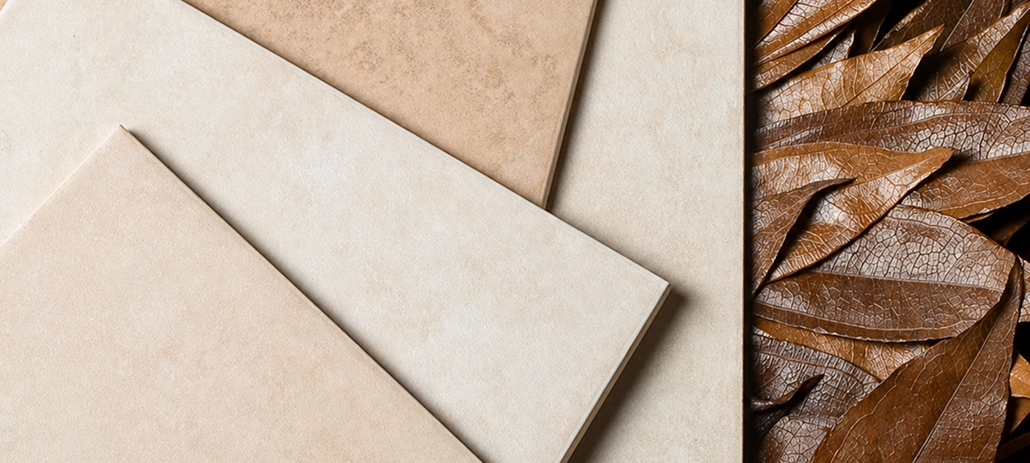
Ceramic Tiles: Ceramic tiles are among the most common choices due to affordability and versatility. Made from natural clay and fired at lower temperatures, they are suitable for walls and low-traffic areas.
Porcelain Tiles: Porcelain is denser and less porous than ceramic, making it ideal for heavy-duty applications. It resists moisture and stains effectively, which makes it a preferred option for kitchens and bathrooms.
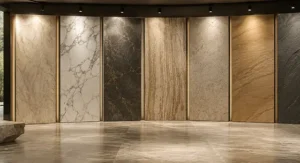
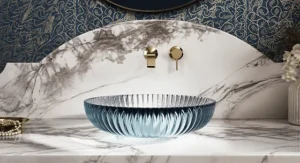
Natural Stone Tiles: Materials like marble, granite, and slate bring a premium aesthetic. However, they require sealing and regular maintenance. These are often used in luxury interiors or feature areas.
Vitrified Tiles: Vitrified tiles are engineered for strength and low water absorption. They are widely used in modern construction due to their durability and polished finish.
Popular Types of Tiles and Their Uses
Choosing the right tile directly impacts durability, maintenance, and how a space functions daily. Below, we break down the most widely used tile types and where they work best, so you can make smarter, more practical decisions.
Vitrified Tiles
Known for their high strength and minimal water absorption, vitrified tiles are perfect for flooring in both residential and commercial spaces. For example, large-format vitrified tiles in a living room create a seamless and modern look while ensuring long-term durability.
GVT Tiles (Glazed Vitrified Tiles)
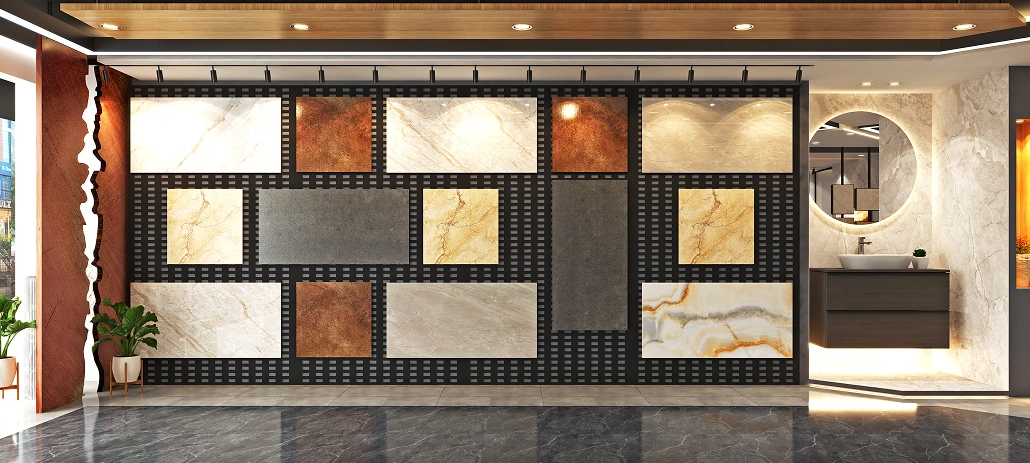
GVT tiles feature high-definition digital prints that replicate materials like marble, wood, and stone. If you want the elegance of marble without the maintenance, GVT tiles are an excellent alternative for bedrooms or lounges.
Colour Body Tiles
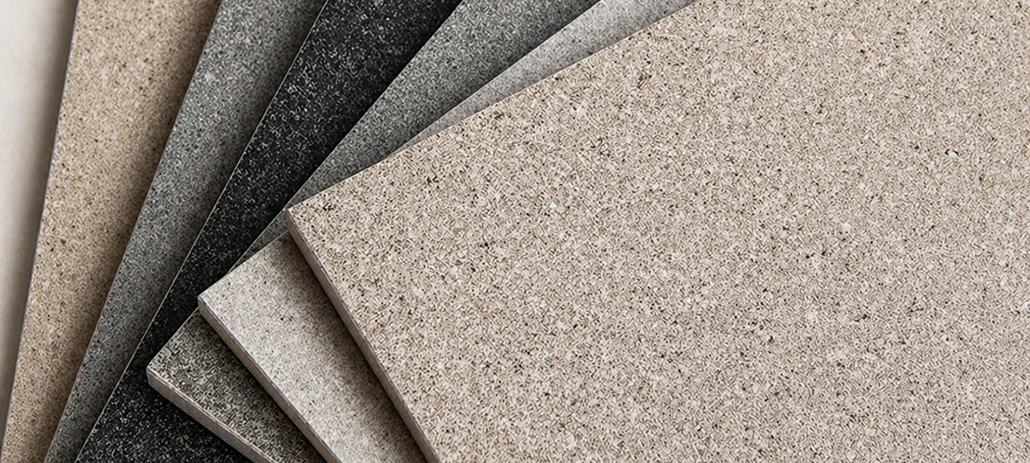
These tiles have a uniform color throughout their thickness, which minimizes visible wear and damage. They work well in high-traffic zones like shopping malls or office corridors where scratches are inevitable.
Full Body Tiles
With a dense and consistent structure, full body tiles are designed for industrial and heavy-duty environments. Factories, warehouses, and outdoor walkways benefit from their exceptional durability.
Mosaic Tiles
Mosaic tiles are small-format tiles used to create textured and decorative surfaces. They are commonly used as kitchen backsplashes or accent walls in bathrooms, adding visual interest without overwhelming the space.
Swimming Pool Tiles
These tiles are specifically designed to resist chlorine and provide an anti-slip surface. For instance, blue-toned pool tiles not only enhance aesthetics but also ensure safety in wet environments.
Customized Tiles
Customized tiles allow you to create bespoke designs tailored to specific layouts, themes, or branding requirements. They are often used in luxury homes, hotels, or commercial spaces to achieve a unique identity.
Modulo Tiles
Modulo tiles are pre-coordinated sets designed for faster and more uniform installation. They are ideal for large projects where consistency and efficiency are priorities, such as office spaces or retail stores.
Types of Tiles for Flooring
When selecting the types of tiles for flooring, durability and slip resistance are key considerations. High-traffic areas like living rooms, hallways, and commercial spaces require strong materials such as vitrified or porcelain tiles.
For example, matte-finish vitrified tiles work well in living rooms as they reduce glare and provide better grip. In contrast, polished tiles can enhance the visual appeal of formal spaces but may require more maintenance.
The right type of foor tiles also depends on usage. Bedrooms can accommodate softer finishes, while kitchens need stain-resistant surfaces.
Types of Tiles for Bathroom
Bathrooms demand tiles that can handle moisture, humidity, and frequent cleaning. The best types of tiles for the bathroom include anti-slip ceramic or porcelain tiles for flooring and glossy or matte tiles for walls.
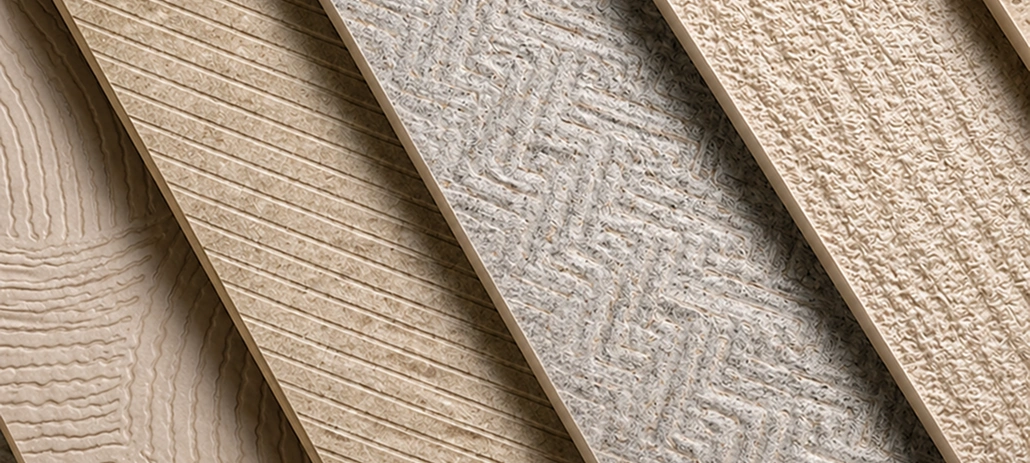
For instance, textured tiles on the floor can prevent slipping, while lighter shades on walls create a sense of space. Mosaic tiles are often used in shower areas to add both grip and design detail.
Types of Tiles for Home Interiors
Choosing the right types of tiles for home involves balancing aesthetics with practicality. Each room has different requirements:
- Living Room: Large-format vitrified or GVT tiles for a seamless look
- Kitchen: Stain-resistant and easy-to-clean tiles
- Bedroom: Warm finishes like wood-look tiles
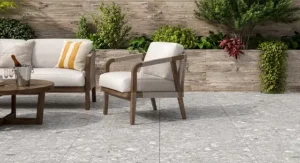
- Balcony: Weather-resistant and anti-slip tiles
The growing demand for stylish yet functional types of tiles in India has led to innovations in design, making it easier to achieve both durability and elegance.
Type of Wooden Tiles
Wooden tiles, also known as wood-look tiles, replicate the appearance of natural wood while offering the durability of ceramic or vitrified materials. The type of wooden tiles available today includes planks with realistic grain textures and finishes.
For example, wood-look tiles in a bedroom create a warm and cozy atmosphere without the maintenance challenges of real hardwood. They are also suitable for humid areas where traditional wood would warp.
Type of Ceiling Tiles
Ceiling tiles are often overlooked but play an important role in both aesthetics and acoustics. The type of ceiling tiles includes gypsum, mineral fiber, and PVC options.
These tiles are commonly used in offices, commercial spaces, and modern homes to conceal wiring, improve insulation, and enhance sound absorption. For example, modular ceiling tiles in a workspace can create a clean and professional appearance while improving acoustics.
Choosing the Right Tile for Your Space
Selecting the right tile involves more than just picking a design. It requires understanding usage, environment, and maintenance needs.
Start by identifying the purpose of the space. Is it high traffic? Is it exposed to moisture? Does it require a premium finish? Once you answer these questions, you can narrow down the most suitable options.
For example, a commercial lobby would benefit from full-body or color-body tiles due to heavy footfall, while a residential bathroom would require anti-slip porcelain tiles.
Conclusion
Tiles are a long-term investment, and making the right choice can significantly impact both functionality and design. By understanding the different types of tiles, their materials, and their applications, you can avoid common pitfalls and create spaces that are both practical and visually appealing.
Ultimately, the right tile is about how well it performs over time. If you are looking for high-quality, durable, and design-forward tile solutions, we at Chabbria Tiles offer a wide range of options tailored for modern homes and commercial spaces.
From premium finishes to customized solutions, their expertise helps you select tiles that perfectly match your needs. Get in touch with us today and transform your space with confidence. Explore our premium tiles collection