20 Modern Bathroom Accessories Ideas | Chhabria Tiles
A bathroom can have beautiful tiles, a premium vanity, and an expensive shower, yet still feel incomplete. The reason is...
Read More →

A bathroom can look beautiful in pictures but still feel uncomfortable when you use it every day. A toilet that takes up too much space, a washbasin at the wrong height, poor water flow, or a difficult-to-clean design can quickly turn a stylish bathroom into an inconvenient one.
This is why choosing sanitaryware should not be based only on color, shape, or price. The right products need to fit the bathroom, work well, and remain easy to maintain. Water efficiency also matters. India’s National Water Mission aims to improve water-use efficiency by 20% across sectors.
If you are renovating your bathroom or setting up a new one, knowing what to buy makes the process much easier. From a water closet and washbasin to a bidet and urinal, every item has a specific purpose. Here is a practical guide to help you build a modern bathroom without buying products you do not really need.
Before choosing finishes and accessories, focus on the fixtures that form the foundation of the bathroom. These are the products you will use every day, so comfort, size, quality, and installation requirements should come first.
The toilet is usually the most important sanitaryware to purchase. Modern bathrooms commonly use wall-hung, back-to-wall, or floor-mounted water closets.
A wall-hung toilet creates a clean, contemporary appearance because the cistern and plumbing can be concealed. It also makes floor cleaning easier. A floor-mounted WC can be a more straightforward choice when you want simpler installation, or when the existing plumbing does not support a concealed system.
Pay attention to the trap type, seat height, bowl shape, and flushing performance. Also check the available space before purchasing. A large toilet may look impressive in a showroom but feel cramped in a compact bathroom.
Water consumption is another important consideration. BIS documents for flushing cisterns include reduced and full flush configurations such as 6/3 liters, 4.8/2.8 liters, and 4/2 liters. This gives homeowners practical options when choosing water-efficient flushing systems.
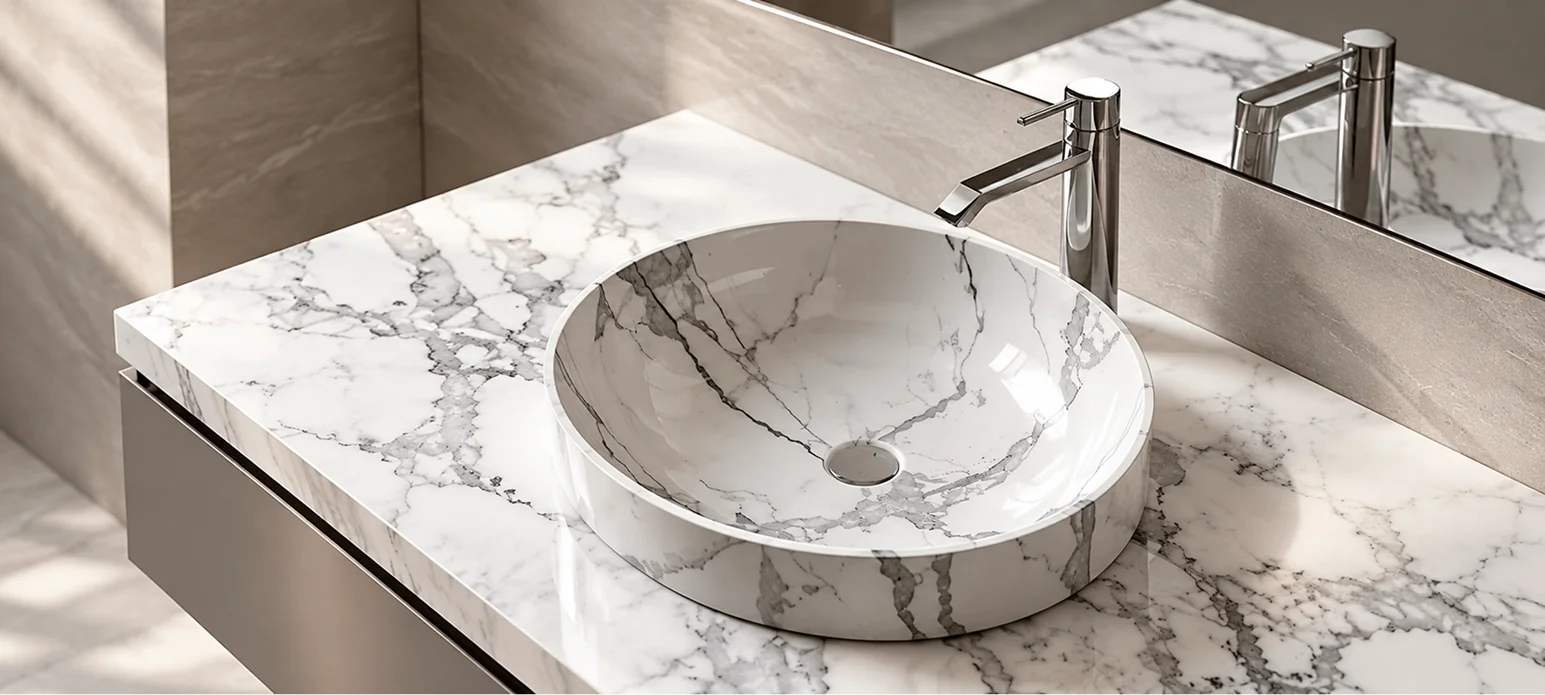
A wash basin is another essential fixture. The right choice depends largely on the bathroom layout and available counter space.
Countertop basins work particularly well in contemporary bathrooms. They sit above the vanity and can become a design feature. Wall-mounted basins are useful when you want to save floor space. Under-counter basins offer a more integrated appearance and are often preferred for larger vanity units.
Think about everyday use before choosing the design. For example, a family bathroom may benefit from a wider wash basin with generous counter space, while a small guest bathroom may work better with a compact wall-mounted model.
The basin should also sit at a comfortable height. If it is too low or too high, everyday tasks such as washing your face or brushing your teeth can become uncomfortable.
A bidet can add comfort and improve bathroom hygiene. It is particularly useful in larger bathrooms where there is enough space for an additional fixture.
If a separate bidet does not suit your layout, a health faucet beside the WC is a practical alternative. Make sure the water connection and mounting position are planned before the wall tiles are installed.
For a modern Indian bathroom, the decision often depends on space and personal preference. A health faucet requires considerably less space, while a standalone bidet provides a more dedicated washing area.
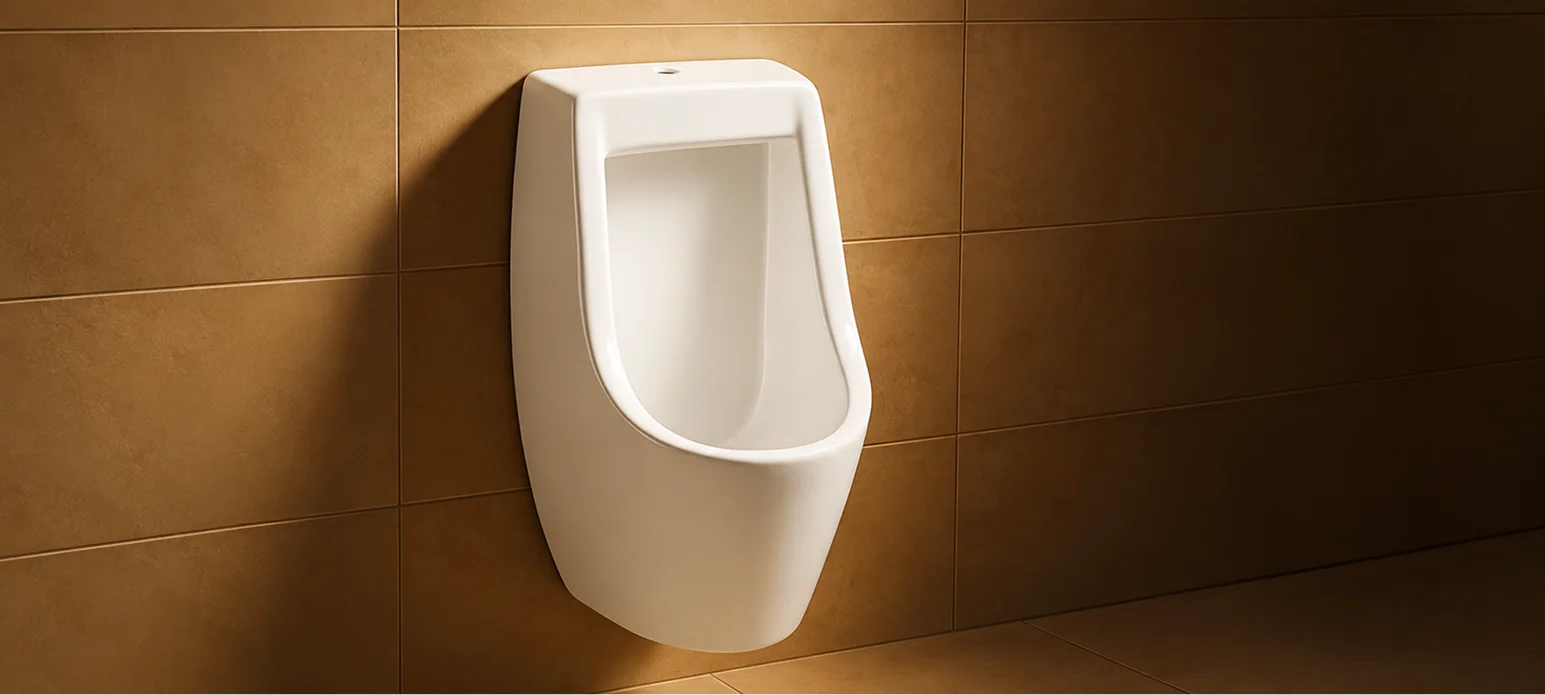
A urinal is not necessary for every home, but it can be useful in larger family bathrooms, men’s bathrooms, or commercial properties.
Wall-mounted urinals are generally compact and easier to clean around. If you are considering one, check the drainage position, water connection, and installation height before buying it.
BIS standards also cover water-efficient sanitaryware such as urinals, including water-efficiency ratings. This makes water consumption worth considering even for fixtures that may seem secondary.
A bathtub is an optional addition, but it can change the character of a bathroom completely. Freestanding tubs create a luxury feel and work particularly well in spacious bathrooms. Built-in tubs can be more practical when space is limited.
Before purchasing one, measure the bathroom carefully. You need enough clearance around the tub for comfortable movement, cleaning, and access to other fixtures.
If your family mainly takes showers, a bathtub may not be the best use of space. A well-designed shower area could offer more practical value.
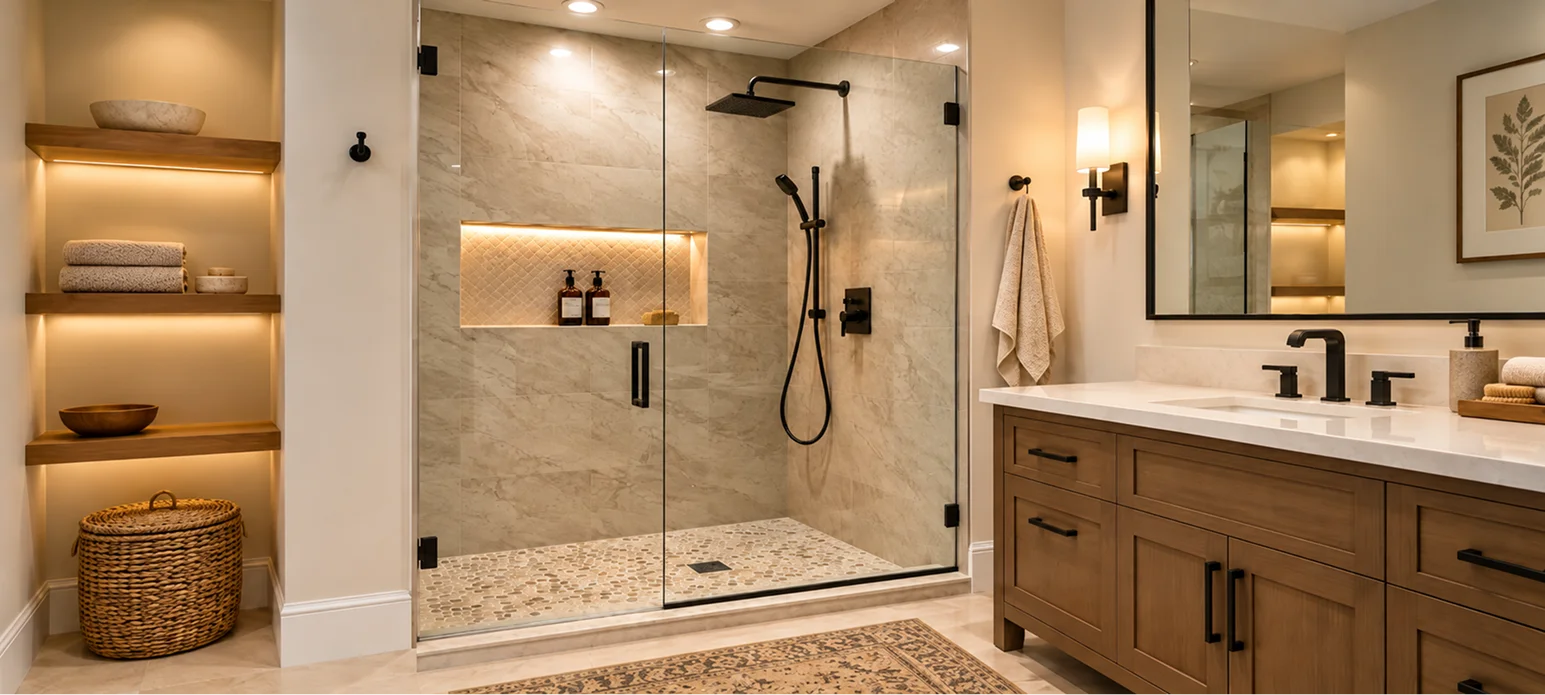
The shower itself is not always classified as sanitaryware in the same way as a WC or basin, but it is an important part of the bathroom planning process.
A shower tray can help define the wet area and control water flow towards the drain. Alternatively, many modern bathrooms use a tiled shower floor with a linear or point drain.
For example, if you have a 5 ft × 7 ft bathroom, placing the shower at the far end behind a glass partition can keep water away from the WC and basin. This simple layout can make the bathroom feel more spacious while reducing cleaning effort.
Once you have decided which fixtures you need, look closely at their material and surface finish.
Vitreous china remains a popular choice because it offers a smooth, glazed surface that is suitable for everyday bathroom use. BIS testing requirements for sanitary appliances cover factors such as glazing, water absorption, chemical resistance, staining resistance, and surface defects.
The finish matters too. Glossy white sanitary ware is easy to coordinate with most tile colors and bathroom styles. Matte finishes can create a contemporary look but may require more attention to cleaning, depending on the surface.
Do not select a product simply because it looks attractive in a showroom. Ask about cleaning requirements, spare parts, warranty, and installation support.
Bathroom size should guide your buying decisions.
A common mistake is buying each fixture separately without considering how they will work together. The toilet, basin, and shower may look perfect individually but create an awkward layout when installed together.
Water efficiency is no longer just an environmental concern. It can also influence household running costs over time.
When choosing a WC, compare the full-flush and reduced-flush volumes rather than looking only at the appearance of the cistern. A dual-flush system allows users to select the appropriate flush for different needs.
For example, a 4/2-liter system uses less water per flush than a 6/3-liter configuration when both are suitable for the installation. However, flushing performance should never be sacrificed simply to reduce water consumption.
The best choice balances efficient water use with reliable flushing and easy maintenance.
Once the main fixtures are selected, remember the smaller products that complete the installation. Your final shopping list may include:
These products may look minor, but missing one during installation can delay the entire bathroom project.
It is also wise to confirm compatibility. A flush plate should match the concealed cistern, while the basin waste and trap should suit the basin outlet. Your plumber or bathroom specialist can help verify these connections before installation.
A modern bathroom does not have to be filled with expensive fixtures. Good design comes from choosing products that suit your lifestyle, available space, and maintenance needs.
If you have children or elderly family members at home, prioritize comfortable access and easy cleaning. If the bathroom is mainly used by guests, a compact basin and well-planned WC area may be enough.
For a master bathroom, you may want to invest more in a larger vanity, premium WC, bidet, or bathtub.
The key is to decide what you actually need before visiting the showroom. This prevents impulse purchases and helps you stay within budget.
Creating a modern bathroom becomes much easier when you know exactly what each fixture does and how it fits into your space. A well-planned sanitaryware items list helps you compare products, estimate your budget, and avoid missing important fittings during installation.
From the WC and washbasin to the shower area, bidet, and supporting accessories, every choice should combine comfort, functionality, and durability. Do not focus only on how a product looks. Consider its size, water consumption, cleaning requirements, installation method, and long-term maintenance.
At Chhabria Tiles, you can explore bathroom solutions that combine practical functionality with contemporary design. Whether you are renovating a compact bathroom or creating a spacious modern one, choose the right products with expert guidance and give your bathroom a finish that works beautifully every day.q
The essential products usually include a WC, washbasin, flushing system, and suitable drainage fittings. Depending on the bathroom size, you can also add a bidet, urinal, bathtub, or other fixtures.
Wall-hung WCs are popular for modern bathrooms because they create a clean appearance and make floor cleaning easier. However, the best option depends on your plumbing, bathroom size, and installation requirements.
Consider the available counter and wall space, basin height, number of users, and overall bathroom layout. A countertop basin suits a vanity-led design, while a wall-mounted basin works well in smaller spaces.
Yes. Water-efficient fixtures can reduce water consumption while supporting responsible water use. Always compare water efficiency with flushing or washing performance before making a decision.
Not necessarily. Using products from one range can create a coordinated appearance, but you can mix designs if their dimensions, connections, colors, and finishes work well together.