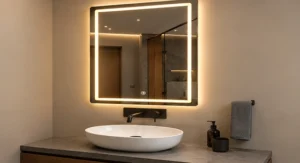
Every wall and floor in your house tells a story, but natural stone tells one that started millions of years ago. According to the United States Geological Survey, stones like limestone were crafted by nature over 500 million years from compressed ancient marine life, meaning no two slabs in the world look the same.
That unique character is what makes natural stone the ultimate upgrade for home walls and flooring. While factory-made tiles tend to wear out or go out of style, real stone stands up to busy family life, pet claws, and messy spills while adding natural warmth to every room.
Comparing the different types of natural stone gives you the confidence to design spaces that feel both best and functional.
Why Choose Natural Stone for Your Home?
Natural stone is harvested directly from the earth, meaning no two slabs or tiles are identical. Every piece features distinct veining, color shifts, and textural quirks created over millions of years under heat and pressure.
- Exceptional Longevity: Unlike synthetic vinyl or ceramic tiles that can chip and show white clay underneath, stone wears its age gracefully.
- Property Value Boost: High-end stone installations in kitchens, bathrooms, and living areas consistently yield strong returns on investment.
- Thermal Performance: Stone works seamlessly with radiant underfloor heating systems, holding warmth efficiently during cold winters.
- Timeless Aesthetic: Stone bypasses short-lived decor trends, offering classic appeal that outlasts changing styles.
The Most Popular Natural Stones for Interior Design
Each stone family possesses unique physical properties, absorption rates, and hardness levels. Exploring these different types of natural stone ensures you pick a material suited for high-traffic entryways, wet shower walls, or cozy patio areas.
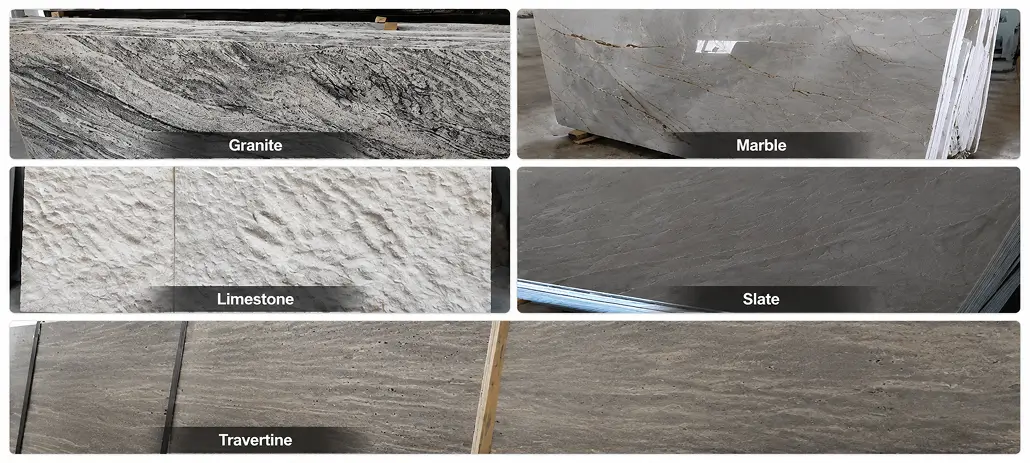
1. Granite
Granite forms deep within the earth from cooling magma, making it exceptionally dense and scratch-resistant. It features a flecked appearance with quartz and feldspar crystals, available in black, gray, pink, and deep green hues.
Granite works best for high-traffic kitchen floors, entryway foyers, and outdoor patio walls. High-traffic hotel lobbies often rely on polished black granite flooring because it withstands thousands of daily steps without dulling.
2. Marble
Marble is a metamorphic rock formed when limestone undergoes intense heat and pressure. It is famed for its smooth finish, soft flowing veins, and wide range of whites, creams, grays, and soft blues.
Marble works best for bathroom walls, master suite flooring, low-traffic accents, and fireplace surrounds. White Carrara marble tile on master bathroom walls creates a spa-like atmosphere while reflecting natural sunlight.
3. Limestone
Limestone is a sedimentary rock formed from accumulated marine debris, offering soft, earthy neutrals with a uniform texture. It is available in sandy tan, beige, and warm gray shades that fit living room walls, pool decking, and rustic kitchen flooring.
Mediterranean-style villas frequently use honed limestone flooring across open floor plans to connect indoor rooms with outdoor patios.
4. Slate
Slate splits easily into thin, flat sheets, creating a textured surface known for natural slip resistance. It displays layered textures in dark charcoal, rusty red, green, and deep purple tones that suit mudroom floors, shower walls, and kitchen backsplashes.
Busy mudrooms benefit from cleft-finish slate floors because the textured surface hides dirt and prevents slipping from wet boots.
5. Travertine
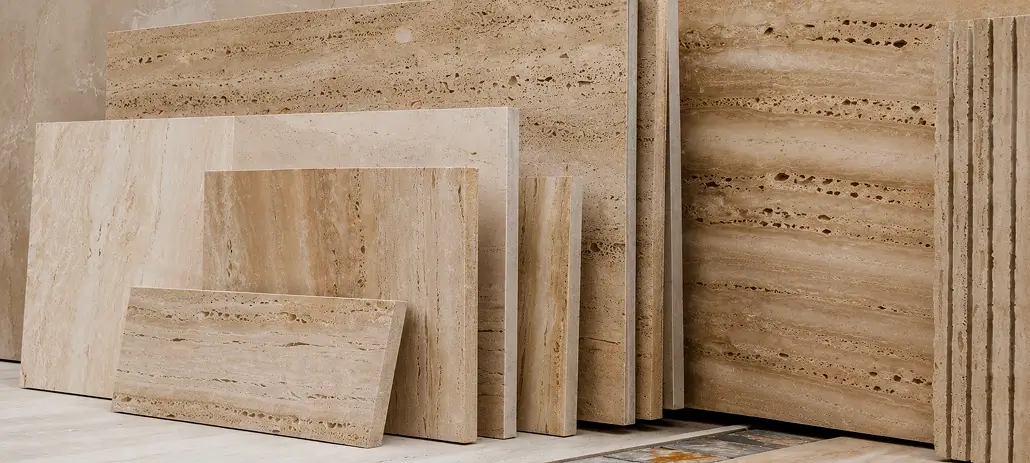
Travertine is a form of limestone deposited by hot springs. It features warm cream, walnut, and gold tones with a distinctive porous structure that can be filled or left open for a rugged look.
Travertine works best for accent walls, bathroom floors, and covered porch walkways. Tuscan-inspired kitchens often feature tumbled travertine floor tiles to deliver an Old World, weathered look.
Comparing Stone for Walls vs. Flooring
While any stone can technically cover a wall, floor applications require extra attention to slip resistance and compressive strength. Studying the different types of natural stone side by side helps clarify where each material performs best.
| Stone Type | Ideal Application | Scratch Resistance | Water Resistance | Maintenance Level |
|---|
| Granite | Floors & Walls | Very High | High (when sealed) | Low |
| Marble | Walls & Low-Traffic Floors | Moderate | Moderate (acid sensitive) | High |
| Limestone | Floors & Feature Walls | Moderate | Moderate | Moderate |
| Slate | Moisture-Prone Floors & Walls | High | Very High | Low to Moderate |
| Travertine | Accent Walls & Bath Floors | Moderate | Moderate | Moderate |
When selecting flooring, pay close attention to natural stone flooring types to match the material strength with your household needs. Active homes with pets or children need dense stones like granite or slate, while quiet spaces can showcase delicate marble.
Practical Application Guide
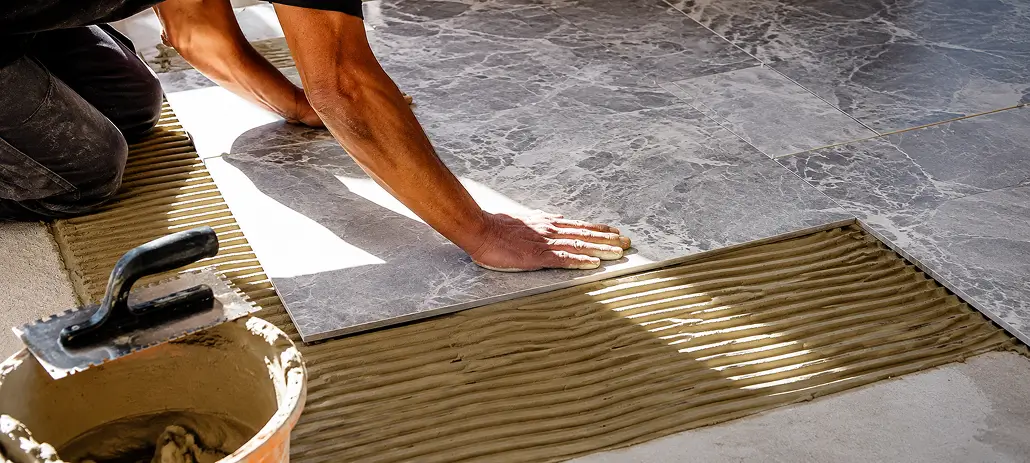
Installing stone on walls involves different structural factors than laying stone on subfloors. Weight, tile thickness, and adhesive choice play huge roles in long-term performance.
Wall Installations
Vertical surfaces allow you to showcase stones that might be too soft or porous for heavy foot traffic. Stacked ledge stone or large-format marble slabs create striking focal points on feature walls in living rooms or staircases.
Always seal porous stones before tiling shower walls to prevent moisture infiltration behind grout lines, and review proper natural stone tile maintenance standards before beginning your remodel.
Keep in mind that heavy stone tiles require sturdy cement backer board and high-strength mortar to prevent sagging over time.
Flooring Installations
Floors endure heavy impact, shoe scuffs, and spilled liquids. While polished stone looks glamorous, honed or tumbled finishes provide essential traction in wet areas like kitchens and bathrooms. Natural stone requires a rigid subfloor, as any flex causes tile cracking and grout failure over time. Additionally, almost all natural stone floors require high-quality penetrating sealers to block oil and water stains.
By evaluating different types of natural stone, homeowners can balance delicate beauty on vertical surfaces with rugged durability underfoot.
Essential Selection Factors for Homeowners
Before purchasing tiles or slabs, review these crucial criteria to ensure you choose the best stone for your specific environment.
- Budget Realities: Costs range from $5 per square foot for basic slate to over $50 per square foot for exotic marble or quartzite. Factor in professional installation, which often costs more than the raw stone itself.
- Maintenance Commitment: Acidic liquids like lemon juice, vinegar, and wine can etch soft stones like marble and limestone. If you prefer low-maintenance surfaces, granite or slate are superior choices.
- Color and Pattern Variation: Stone is a natural product, so sample tiles may not match the exact shade of the final shipment. Always inspect full stone lots before installation.
- Light and Space: Dark slate can make small rooms feel compact, while light cream limestone opens up tight corridors by reflecting ambient light.
Learning about different types of natural stone allows you to budget accurately for material and labor costs. Reviewing clear examples of natural stone in existing home photos also helps you visualize how shading variations look across wide wall or floor areas.
Long-Term Maintenance and Care Tips
Keeping stone looking fresh requires simple, consistent habits rather than harsh chemicals.
- Avoid acidic cleaners like vinegar, ammonia, or abrasive scrubbing powders, and opt for pH-neutral stone soaps instead.
- Reseal your stone periodically by testing it annually with water drops. If the water stops beading and sinks in, reapply a penetrating sealer immediately.
- Place felt pads under heavy furniture legs to prevent deep gouges on floor tiles, and wipe spills like wine, coffee, and oil promptly to stop staining before liquid penetrates the porous surface.
Conclusion
Understanding the different types of natural stone helps you to select the right material for your home’s unique demands. By balancing durability with style and committing to basic maintenance, your natural stone walls and floors will deliver timeless beauty and lasting value for years to come.
Looking for the right natural stone for your next project? Explore the quality collection at Chhabria Tiles and discover flooring and wall solutions that bring together durability, elegance and lasting style.
Contact us today or visit our showroom in Bangalore to explore the options in person and find the perfect stone for your space.