If you have ever stepped into a cramped bathroom where the shower door barely clears the sink or the curtain keeps sticking to your legs, you already understand the real struggle of limited space.
Small bathrooms are one of the most common design challenges in modern homes, especially in urban housing where space is expensive and tightly planned. In fact, studies suggest that many compact residential bathrooms fall under 50 square feet, which forces homeowners to prioritize efficiency over luxury layouts.
This is exactly where thoughtful planning for showers for small bathroom spaces becomes essential, because the shower is often the largest functional element in the room.
The good news is that small does not have to mean uncomfortable or cluttered. With the right design approach, even the tightest bathroom can feel open, functional, and visually balanced.
The key lies in smart layouts, minimal barriers, and space-enhancing materials that create the illusion of openness.
Rethinking Space in Small Bathrooms
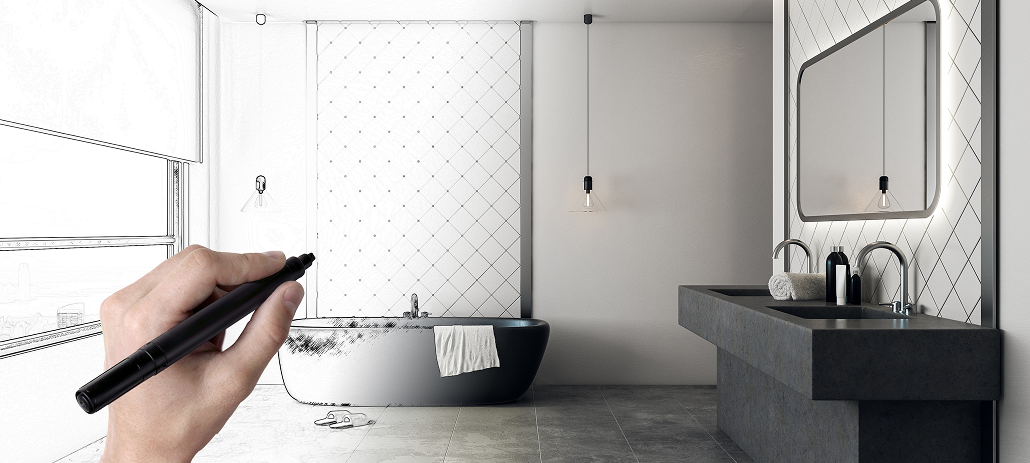
Designing compact bathrooms is not just about fitting fixtures into available space. It is about how the eye moves across the room and how easily space can be used without obstruction.
When designing showers for small bathroom ideas, the goal is to reduce visual fragmentation and improve movement flow.
Research in interior design shows that removing visual barriers such as heavy frames or opaque shower curtains can make a room feel significantly larger, sometimes improving perceived space by up to 30 to 40 percent.
This is why modern bathroom design has shifted toward glass, light colors, and continuous flooring.
Walk-In Showers: The Most Effective Space Solution
One of the most practical solutions for compact homes is the walk-in shower. Walk in shower ideas for small bathrooms focus on eliminating bulky doors, raised trays, and enclosed compartments. Instead, they use open layouts with minimal framing and clear glass panels.
- A walk-in shower improves space efficiency in three major ways.
- First, it removes physical barriers that interrupt movement.
- Second, it allows natural or artificial light to travel freely across the room.
- Third, it creates a seamless floor surface that visually expands the bathroom.
In many modern renovation projects, replacing a bathtub with a walk-in shower has been shown to dramatically improve spatial perception.
Some design studies even suggest that this change can make a small bathroom feel nearly twice as open, even when the actual dimensions remain the same.
Smart Layout Planning for Small Bathrooms
A well-planned layout is the foundation of effective small bathroom designs with shower. In compact spaces, every inch matters, and even a few centimeters of poor placement can affect usability.
The most efficient layouts typically place the shower in a corner or along the far end of the room.
This allows the remaining space to be used for essential fixtures such as the sink and toilet without blocking movement. Sliding glass doors or open-entry walk-in designs further improve accessibility by removing the need for door clearance space.
When plumbing is aligned along a single wall, installation also becomes simpler and more cost-effective, which helps reduce the overall cost of small bathroom remodel projects.
Glass Showers Create Visual Space
One of the most impactful changes you can make in a compact bathroom is replacing opaque barriers with clear glass. Curtains and solid partitions tend to visually cut the room, making it feel smaller and more enclosed.
For any shower for small spaces, frameless glass is one of the best options available. It creates a continuous visual line that allows the eye to move freely from one end of the bathroom to the other.
Sliding glass doors are especially useful in tight layouts where swing doors are not practical.
The result is a cleaner, more modern appearance that enhances both function and aesthetics.
Vertical Design Strategy for Maximum Efficiency
When floor space is limited, the only direction left is upward. This is where vertical design becomes extremely valuable in a shower for small room setup.
Instead of adding bulky storage units, modern bathrooms use wall niches, vertical shelving, and tall tile layouts.
Shower niches built into walls eliminate the need for external racks, keeping surfaces clean and uncluttered. Extending tiles up to the ceiling also creates the illusion of height, making the bathroom feel less compressed.
Even simple changes like wall-mounted shower heads or floating fixtures can improve vertical efficiency without adding visual weight.
Materials and Color Choices That Expand Space
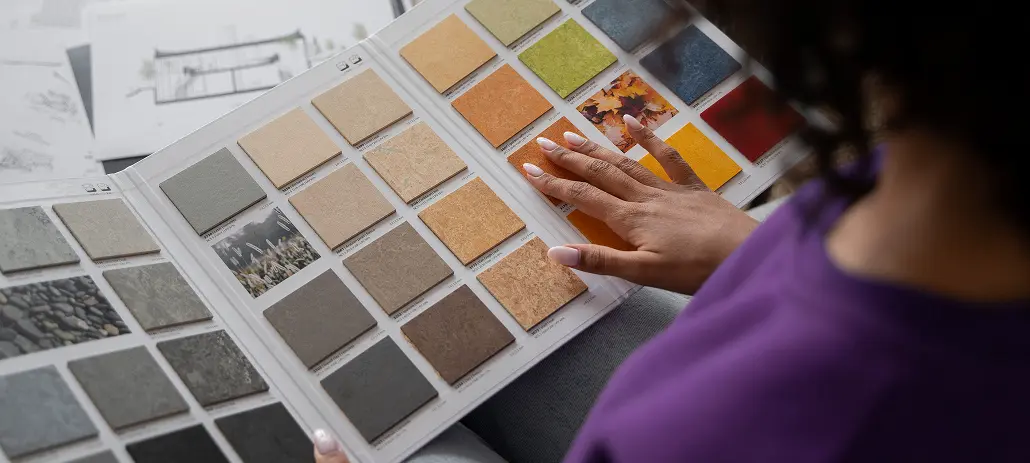
Tile and finish choices dramatically impact how large a bathroom feels. For modern shower for small bathroom ideas, use:
- Large-format tiles (fewer grout lines = cleaner look)
- Light neutral colors (white, beige, soft grey)
- Glossy or satin finishes to reflect light
Avoid busy patterns or dark tiles unless balanced with strong lighting.
Lighting That Transforms Perception
Lighting is often overlooked, but it has a powerful effect on spatial perception. Poor lighting can make even a well-designed bathroom feel cramped and uncomfortable.
In small bathrooms, layered lighting works best. This includes ceiling lights for general brightness, mirror lighting for task use, and waterproof lighting inside the shower area for depth.
Warm LED lighting is especially effective because it reduces harsh shadows and creates a more inviting atmosphere.
Well-lit bathrooms often appear significantly larger because light reduces visual boundaries and enhances clarity.
Storage Without Clutter
Storage is one of the biggest challenges in compact bathrooms. The mistake many homeowners make is adding external storage units that take up valuable floor space. Instead, storage should be integrated into the design itself.
Recessed shelves inside shower walls are one of the most efficient solutions. Corner shelves and built-in niches help keep essentials organized without disrupting visual flow.
This is especially important in walk in showers for small bathrooms, where minimalism is essential for maintaining openness.
Common Mistakes to Avoid
Even well-planned bathrooms can feel cramped if a few basic design mistakes are made. Small spaces are very sensitive to visual and physical clutter, so every choice matters.
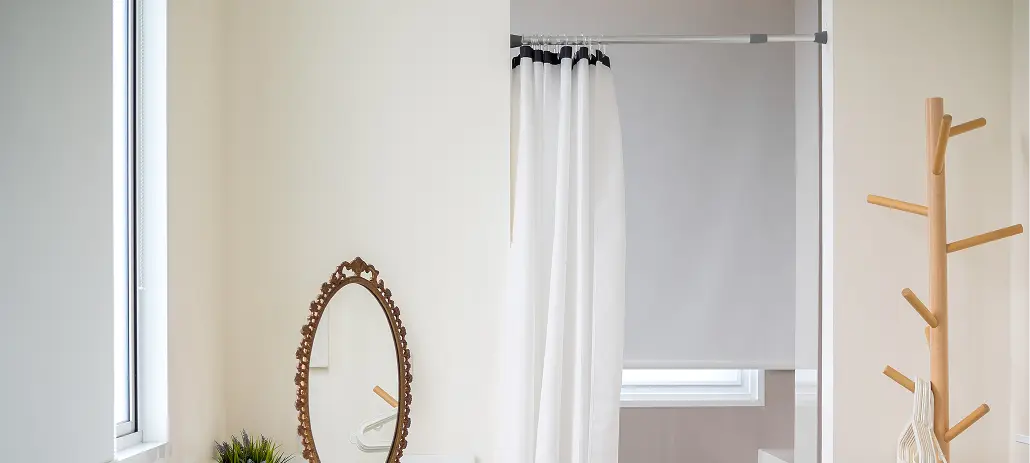
Use opaque shower curtains: They block light and cut the room visually, making the bathroom feel smaller. Clear glass works better for openness.
Install oversized fixtures: Big sinks, vanities, or shower units take up unnecessary space and restrict movement. Compact fixtures keep the layout balanced.
Mix too many tile patterns: Too many colors or designs create visual clutter. A simple, uniform tile style makes the room look cleaner and wider.
Ignore lighting balance: Poor or uneven lighting creates dark corners that shrink the space visually. Good, layered lighting keeps the bathroom bright and open.
In small bathrooms, simplicity directly improves how the space feels and functions every day.
Conclusion
Designing efficient showers for small bathroom spaces is about creating comfort, flow, and visual clarity in an environment that is naturally limited in size. With smart planning, the right materials, and thoughtful lighting, even the smallest bathroom can feel modern and spacious.
The most successful designs are not the ones that add more elements, but the ones that simplify and refine what already exists.
If you are planning to upgrade your bathroom, choosing the right materials and design elements is essential for long-term value and comfort. For high-quality tiles and modern bathroom solutions that enhance both style and space efficiency, consider exploring Chhabria Tiles. Our range is designed to support practical and elegant bathrooms.
To complete your setup, explore our modern bath fittings for a sleek and functional finish.